
Other foods of the world may catch the headlines, but there’s a case to be made that Indonesian cuisine is the one quietly stealing the show. With over 17,000 islands, more than 300 distinct ethnic groups and centuries of trade routes connecting Asia, the Middle East, India and Europe, Indonesia has developed one of the most layered and exciting culinary traditions on earth — and Canadians are just beginning to discover it.
Indonesia’s cuisine is, at its heart, a story of bold spices, creamy coconut milk, sweet-salty soy sauce and the kind of depth that comes from cooking slowly and patiently. Each island and region brings its own flavours, ingredients and traditions to the table, meaning there’s no single “Indonesian food” — there are hundreds of them. But a handful of dishes have earned near-universal love across the archipelago, and they’re the perfect place to start your own exploration.
Here are five dishes that showcase the best of what Indonesian cuisine has to offer:
- Beef rendang
If there’s a single dish that put Indonesian food on the global map, it’s rendang. Originating from the Minangkabau people of West Sumatra, this is a slow-cooked beef dish that simmers for hours in coconut milk with a rich paste of lemongrass, galangal, turmeric, ginger and chili until the liquid evaporates completely, leaving the meat deeply caramelized and impossibly tender. It’s bold, complex and utterly unlike any curry you’ve had before. In 2017, a CNN Travel poll of 35,000 voters named rendang the number one most delicious food in the world — and once you try it, that’s not hard to believe.
- Nasi goreng
Translating simply as “fried rice,” nasi goreng is Indonesia’s unofficial national dish and a near-daily staple from street carts to five-star hotels. What sets it apart from other fried rice dishes is kecap manis — a thick, sweet Indonesian soy sauce — combined with shallots, garlic, shrimp paste and a touch of chili. The result is a deeply savory, slightly sweet fried rice that’s topped with a sunny-side-up egg and served alongside crunchy prawn crackers. Quick, pantry-friendly and endlessly customizable, it’s one of the easiest Indonesian dishes to recreate at home.
- Satay (sate)
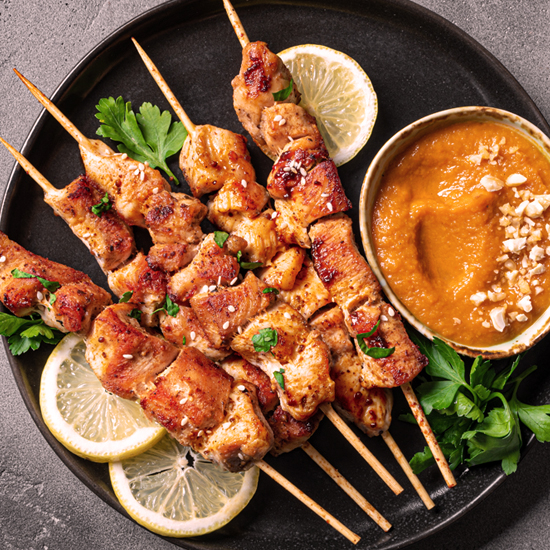
Said to have originated in Java, satay — or sate as Indonesians call it — is arguably the dish most Canadians will already recognize, even if they haven’t thought of it as Indonesian. Marinated meat — most often chicken — is threaded onto skewers and grilled over charcoal until smoky and charred, then served with a rich peanut sauce spiked with lime, chili and a drizzle of kecap manis. It’s street food at its finest: simple, fragrant and deeply satisfying. The peanut sauce alone is worth making by the jarful.
- Gado-gado
Translating as “mix-mix,” gado-gado is Indonesia’s beloved national salad — and it will completely change your expectations of what a salad can be. Blanched vegetables (think green beans, cabbage, potatoes and bean sprouts) are piled with boiled eggs, fried tofu and tempeh, then smothered in a generous ladle of warm peanut sauce. The result is hearty, colorful and deeply flavorful — as well as vegetarian to boot. For anyone curious about Indonesian cooking, this is one of the most approachable entry points.
- Tempeh goreng
You’ve likely seen tempeh at your local grocery store — a staple in plant-based cooking circles for years. But most North Americans don’t realize that tempeh is an Indonesian invention, born in Central Java more than 400 years ago. Made from fermented soybeans pressed into a firm, sliceable block, tempeh has a nutty, satisfying flavour and a satisfying chewiness that stands up beautifully to high heat. The simplest preparation is tempeh goreng — sliced, fried until golden and served with sambal (Indonesia’s fiery chili condiment) and a drizzle of kecap manis. It’s one of those rare dishes that’s both delicious and genuinely good for you.
Whether you start with a plate of satay at a local restaurant or take a weekend afternoon to try your hand at nasi goreng, you’re tapping into one of the world’s most delicious cooking traditions — one with something for everyone, whether you love heat, prefer mild and creamy, or you’re looking for great vegetarian options.
Have you tried Indonesian food, or is it still on your culinary bucket list? Share your experiences and recommendations with the Shop Talk community!

Did you know? The islands that spiced up the world
Centuries before Indonesian food found its way to North American menus, the world was already obsessed with Indonesia — specifically its spices. The Maluku Islands of eastern Indonesia, once known as the “Spice Islands,” were the only source of nutmeg, cloves and mace on earth, making them among the most prized and fought-over places in history.
I have not tried it
Kebabas-excellent cuisine-popular in 54 Muslim countries-no democracy-Indonesia Has the largest Muslim population in the world+people Are religious fundamentalist.