
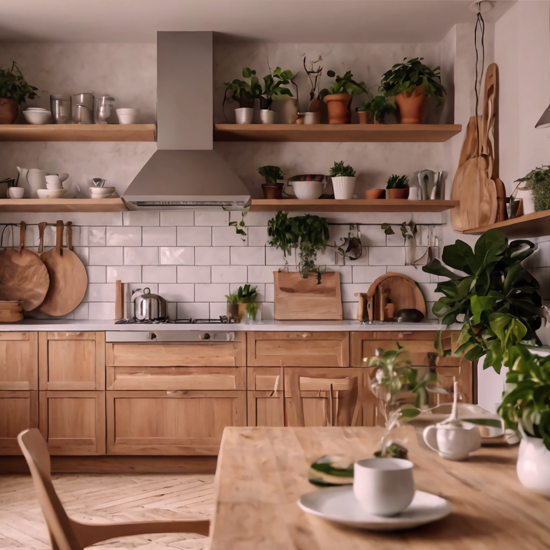
Have you noticed how some homes just feel calm the moment you walk in? No clutter, no chaos — just clean lines, warm textures, and a sense that everything has its place. Chances are, you’re looking at the influence of Scandinavian or Japanese design — two of the world’s most beloved home aesthetics. And the best news? You don’t need a big renovation budget to bring this look into your own space.
The Scandinavian style: cozy, clean and functional
Scandinavian design — called “Scandi” — emerged from the Nordic countries like Sweden and Denmark, where long, dark winters inspired people to create homes that felt bright, warm and efficient. The core ideas are simple: strip away visual clutter, choose furniture that’s both beautiful and useful, and fill your space with natural light and materials. Think pale woods, soft whites, cozy textiles, and a feeling of warmth and well-being.
Japanese design: calm, intentional and grounded
Japanese interiors are rooted in Zen philosophy and centuries-old traditions. Two key concepts define the style: wabi-sabi, which finds beauty in imperfection and the natural aging of materials, and “Ma,” the Japanese idea of intentional empty space. Rather than filling every corner, Japanese design leaves breathing room — allowing a single beautiful object or piece of furniture to truly stand out. Low-profile furniture, natural materials like bamboo and stone, and an uncluttered atmosphere are hallmarks of this aesthetic.
Meet “Japandi” — the best of both worlds
When these two styles are blended together, it’s often called “Japandi”. It’s a harmonious mix, since both traditions share a love of minimalism, practicality, and natural materials. And it’s catching on: North America accounts for roughly 35% of the global minimalist furniture market.
7 budget-friendly ways to bring Japandi style home
These practical tips will help you introduce this aesthetic into any room, a little at a time.
- Start with a declutter session. Remove 20–30% of visible items in key rooms. Clear surfaces, reduce knick-knacks, and keep only what you love or regularly use. This single step moves your space toward minimalist calm — at zero cost.
- Choose a light, neutral base. Repaint walls in soft whites, warm greys, or light beige. Paint is one of the most affordable upgrades you can make, and it creates the bright, airy backdrop that both styles depend on.
- Pick one or two “hero” pieces per room. Instead of many small decor items, choose one standout: a simple wood dining table, a clean-lined sofa, or a large neutral rug. Check second-hand marketplaces for solid wood or minimalist pieces at a fraction of retail.
- Layer natural textures on a budget. Add cotton or linen cushion covers, a jute or flat-weave rug, and a simple throw in a muted, solid color. Affordable textiles from big-box stores can mimic high-end Scandi and Japanese looks — as long as you stick to plain, natural-looking fabrics.
- Use warm, layered lighting. Swap harsh overhead bulbs for warmer tones, and add a simple floor or table lamp. This offers coziness without changing any wiring.
- Bring in greenery and nature.Choose a few medium-sized plants rather than many small ones, and display them in simple ceramic or terracotta pots. A single branch in a vase, or a small bonsai-style plant, captures the Japanese connection to nature beautifully — and affordably.
- Curate your walls with negative space in mind.Instead of many small frames, choose one or two larger, simple artworks — and leave sections of wall intentionally bare.
The beauty of Scandi and Japanese design is that it’s less about spending more and more about choosing intentionally. Small changes — a fresh coat of paint, a decluttered shelf, a plant in a simple pot — can make a real difference.
Have you tried any elements of Scandi or Japanese design in your home? We’d love to hear what’s worked for you! Share your ideas and inspiration with the Shop Talk community.
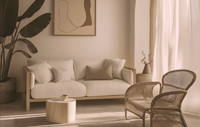
Did you know? The rise of Japandi
Japandi is one of the most searched home décor aesthetics online, and it’s more than a passing trend — it’s a lifestyle shift toward homes that feel like a true sanctuary from our fast-paced world.